Advertisements
Here’s a stat that made me spit out my coffee: businesses that use cash flow forecasting are way less likely to fail in their first five years compared to those flying blind. I learned this the hard way, back when I was helping my cousin manage the books for her little bakery. We were doing forecasts on a napkin, basically. Spoiler alert: that napkin lied to us more than once!
So let’s talk about AI cash flow forecasting software, because honestly, it’s changed how small businesses (and even big ones) predict their financial future. This isn’t some boring finance lecture, I promise. Stick with me!
Why I Used to Hate Forecasting (And Why That Changed)
I’ll be honest, I used to think cash flow forecasting was just glorified guessing. You look at old numbers, squint at them, and hope for the best. That’s basically what my cousin and I were doing for her bakery, and it was a disaster waiting to happen.
Then one slow Tuesday, we almost couldn’t make payroll because we didn’t see a slow month coming. That was a wake-up call. We were reactive instead of proactive, and it nearly bit us.
That’s when I started digging into AI-powered tools. Turns out, machine learning can spot patterns in your revenue and expenses that a human eye just glosses over. It’s not magic, but it sure feels like it sometimes.
What Makes AI Forecasting Different From Old-School Spreadsheets
Traditional forecasting relies on you plugging in assumptions manually. You guess growth rates, you guess seasonal dips, and you hope your gut feeling is right. Sometimes it is. Often, it’s not.
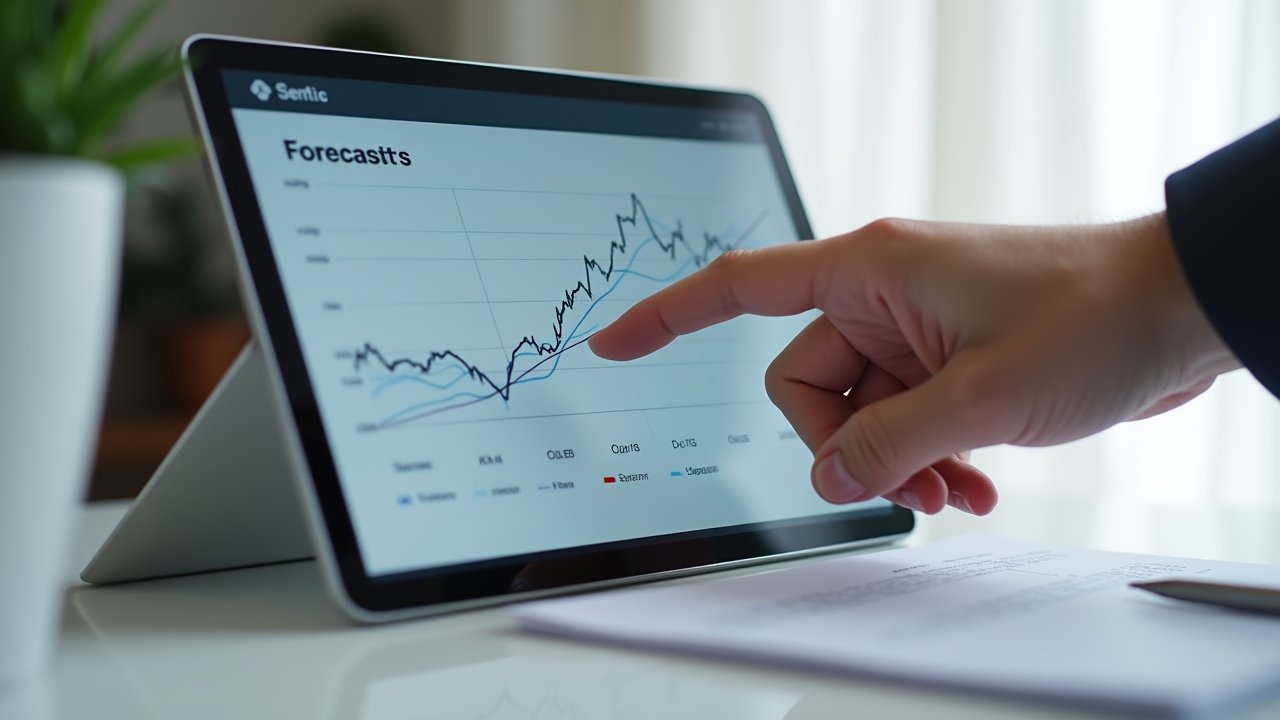
AI cash flow forecasting software actually analyzes historical transaction data, seasonal trends, and even external factors like market conditions. It builds predictive models that update themselves as new data comes in. This is huge because your forecast isn’t static, it’s living and breathing with your business.
- It catches patterns humans miss, like a slow dip every third Thursday of the month.
- It adjusts predictions automatically as new invoices or expenses roll in.
- It can flag potential shortfalls weeks before they’d actually hurt you.
I remember the first time a tool flagged a potential cash crunch three weeks out. I literally said “no way” out loud in my empty office. But it was right. We adjusted spending just in time.
Advertisements
Features That Actually Matter (Not Just Marketing Fluff)
Not all AI forecasting tools are created equal, and some companies love throwing around “AI” without much substance behind it. Here’s what I’ve learned to actually look for.
Scenario Planning
Good software lets you run “what if” scenarios. What if a big client pays late? What if you hire two new employees? This kind of flexibility helped me avoid a nasty surprise when a client delayed payment by six weeks once. We had already modeled it, so we weren’t scrambling.
Integration With Your Existing Tools
If your forecasting software doesn’t talk to your accounting platform, you’re gonna have a bad time. Trust me on this one. I tried a tool once that required manual data entry every week, and I gave up after like ten days because who has time for that.
Look for integrations with platforms like QuickBooks or Xero. This saves you hours and reduces errors from manual input.
Real-Time Alerts
This one’s underrated. Getting a notification that says “hey, you’re trending toward a negative balance in three weeks” is genuinely useful. It gives you time to actually do something instead of finding out when it’s too late.
Mistakes I Made Trying to Pick the Right Software
Confession time. I once picked a tool purely because it had the flashiest dashboard. Big mistake. It looked pretty, but the underlying predictions were basically glorified averages, nothing truly AI-driven about it.
Another time, I ignored customer support quality because I figured “how hard could it be to use?” Pretty hard, actually, when the software glitched during a critical month-end close and nobody responded to my support ticket for two days.
Lesson learned: always test the customer support responsiveness before committing long-term. Also, don’t be seduced by pretty graphs alone.
Who Actually Benefits From This Tech
You might think this stuff is only for big corporations with finance teams, but that’s not true at all. Small business owners, freelancers managing irregular income, even nonprofits juggling grant timelines can benefit hugely.
Honestly, if you’ve got cash coming in and going out (which, let’s be real, is everyone), forecasting software can help you sleep better at night. There’s something oddly comforting about seeing your projected balance for the next 90 days laid out clearly.
Getting Started Without Losing Your Mind
Don’t try to implement everything at once. Start small, connect your basic accounting data, and let the AI model a few months first before making big decisions based on it.
- Give it at least one full business cycle to learn your patterns.
- Review forecasts weekly, not just once and forget.
- Adjust for one-time events manually, AI isn’t psychic about surprise expenses.
It won’t be perfect right away. Mine wasn’t. But over time, the accuracy genuinely improves as the software learns your specific rhythms.
Look, cash flow problems sink more businesses than almost anything else, and that’s not an exaggeration. Having a clearer view of what’s coming, thanks to AI, isn’t just a nice-to-have anymore, it’s becoming essential. Take what works for your specific situation, tweak it, and don’t ignore the basics like reviewing your data regularly and keeping an eye on ethical data privacy practices when choosing a provider.
If you found this useful, swing by the Balentiq blog for more posts like this one. There’s a bunch of practical stuff there that might just save you from a few napkin-math disasters of your own!